
 2 hours ago
590
2 hours ago
590

The EU has placed a series of sanctions on companies in Russia and the country’s digital assets in a bid to cripple its military operations in Ukraine.
The EU’s 20th package disrupts Russia’s military, industrial and financial services and goes further to interfere with its trade in order to increase the difficulty of continuing the war in Ukraine.
Will the new crypto and digital ruble bans affect Russia’s ability to fund the war?
The European Union has revealed several new economic measures aimed at further isolating the Russian economy and stopping its military operations in Ukraine. This 20th sanctions package focuses heavily on modern financial technologies and the maritime infrastructure that Russia uses to bypass existing trade barriers.
Kaja Kallas, the EU’s High Representative for Foreign Affairs and Security Policy, announced the proposal. She also said that the goal is to make the continuation of the war “painfully expensive” for the Kremlin.
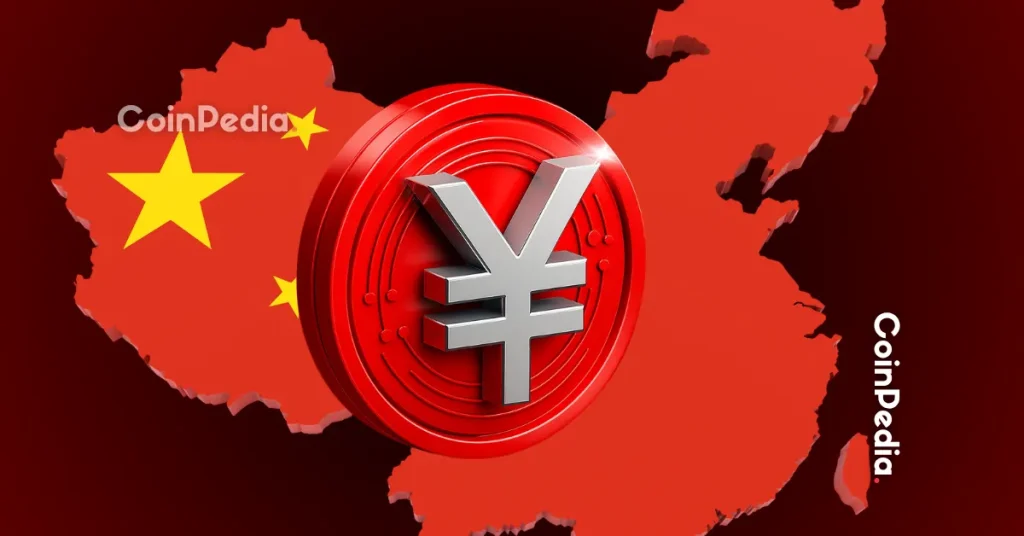
The package contains a digital financial blockade that bans the use of Russia’s Central Bank Digital Currency (CBDC) within the bloc and prohibits European entities from interacting with Russian crypto-asset service providers.
Russia’s traditional banking routes have become increasingly restricted, causing the country to pivot towards alternatives like its “digital ruble” and various cryptocurrency platforms to facilitate international trade, essentially exploiting a back door that the EU intends to block.
Earlier packages limited the amount of crypto assets Russians could hold in EU wallets, but this 20th package seeks a total “transaction ban” for certain banks and a complete “cutoff” from the SWIFT messaging system for more institutions.
The package also targets the physical movement of money and goes after several more banks that supply the Kremlin with liquidity, threatening total transaction bans. Kallas stated that these banks, located both in Russia and in third-party countries, will be removed from the SWIFT network.
Will the EU also stop Russia from bypassing energy and shipping sanctions?
The “shadow fleet” refers to the aging tankers Russia uses to transport oil above the G7 price cap. The EU’s 20th package proposes adding more than 40 specific vessels to its sanctions list.
These ships will be denied access to EU ports and maritime services. The EU is also proposing a ban on maintenance services for Russian Liquefied Natural Gas (LNG) tankers and icebreakers.
For the first time, the EU is also activating its “Anti-Circumvention Tool” on countries in Central Asia and the Middle East to stop helping Moscow evade trade bans. This tool allows the EU to restrict the export of sensitive goods to third-party nations if there is evidence that those countries are acting as a transit point for goods heading to Russia.
The EU is proposing “full-fledged sanctions” on 40 companies that help run Russia’s military production lines. These companies are located not only in Russia but also in third countries that have continued to supply the Kremlin with electronics and mechanical parts.
The new export restrictions cover basic but essential materials, including laboratory glassware, chemicals, rubber, and tools used for metal production.
Additionally, the EU is tightening the rules on the oil price cap. The goal is to move toward a “future full ban” on maritime services for any Russian oil sold above a certain price. This would mean that any company providing insurance, flagging, or technical assistance to a Russian tanker could face severe legal penalties.
Finally, the 20th package states that new listings will include individuals responsible for war crimes, the “appropriation of Ukrainian cultural heritage,” and the illegal deportation of children.
Those involved in spreading state-sponsored propaganda will also face asset freezes and travel bans.
If you're reading this, you’re already ahead. Stay there with our newsletter.









 English (US)