
 1 hour ago
1
1 hour ago
1

The eurozone’s annual inflation decreased in January, according to interim data compiled and released by the Eurostat agency.
The slower price increases are expected to influence interest rate decisions in the region and ultimately benefit declining crypto markets, an analysis suggests.
Euro inflation falls in the first month of the year
Annual inflation in the area of the common European currency stood at 1.7% in January 2026, Eurostat announced in an early estimate.
The indicator is down 0.3 percentage points, from 2.0% in December, the European Statistical Office noted in a press release published Wednesday.
Inflation in the services sector is had the highest rate last month, at 3.2% compared to 3.4% in the previous, followed by the food, alcohol and tobacco category (2.7% vs. 2.5%).
Next are non-energy industrial goods, with 0.4%, compared with 0.3% in December, while energy inflation is -4.1%, after last month’s -1.9%.
At 1.7%, inflation of all tracked items, in terms of harmonized indices of consumer prices (HICP), is down from 2.5% in January last year, the announcement detailed.
Measured by the HICP, Slovakia (4.2%) and Croatia (3.6) had the highest inflation, while France had the lowest by far, at 0.4%, followed by Italy and Finland, each with 1.0%.
According to Eurostat’s HICP estimate, the eurozone’s newest member, Bulgaria, had a 2.3% annual inflation in January.
The country’s statistical bureau said this week that prices continued to rise in January, although at a slower pace. They grew by 0.7% over December, the month before the nation joined the area.
The complete HICP set will be out around mid-February, Eurostat remarked, and the full data for January should be published on the 25th.
 Inflation rates (%) in eurozone countries measured by the harmonized indices of consumer prices (HICP) | Source: Eurostat
Declining inflation expected to affect rates, stocks and crypto markets
The preliminary release of inflation data comes amid an appreciating euro against other major currencies, most notably the U.S. dollar.
At the end of January, a top official at the European Central Bank (ECB) admitted that European officials are worried that the current strength of the euro could push prices down even further.
Francois Villeroy de Galhau, member of the bank’s Governing Council, stated that the regulator is closely monitoring the situation, as reported by Cryptopolitan.
He emphasized that the gains of the common European currency will be factored into the ECB’s future interest rate decisions.
According to an analysis published by BTC Echo, if Eurostat’s preliminary estimate is confirmed by the final numbers, or if inflation turns out to be even lower than expected, this would support the central bank’s expectations for a longer interest rate break.
The leading German-language crypto information source anticipates a “moderately positive” effect for both European stock markets and those of riskier assets such as cryptocurrencies.
At the same time, the authors acknowledge that the monetary policy across the Atlantic will have a more pronounced impact, citing the stronger influence of the U.S. dollar on capital flows, liquidity, and pricing in the space occupied by Bitcoin and the like.
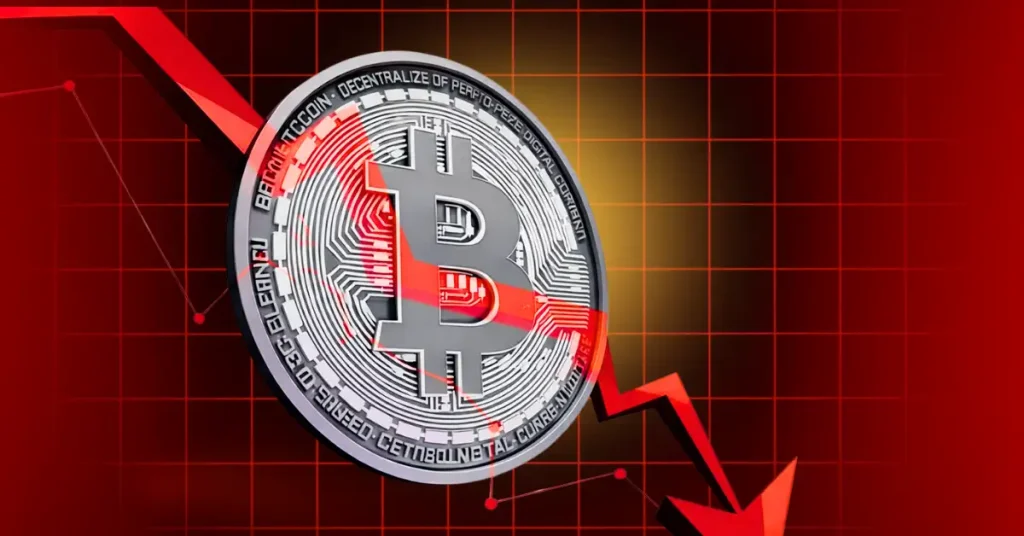
Meanwhile, the cryptocurrency with the largest market cap fell to its lowest level since President Donald Trump’s election win last year, briefly dropping below $73,000.
BTC has gone down more than 40% from its peak last fall. At the time of writing, it’s hovering around the $75,000 per coin mark.
Join a premium crypto trading community free for 30 days - normally $100/mo.







 English (US)