
 1 day ago
1685
1 day ago
1685

The United States, in 2026, has reached an unprecedented public debt figure of $38.5 trillion. This debt, owed to both national and international creditors, has significantly outpaced America’s economic output. As the debt-to-GDP ratio surpasses 120%, financial circles see this as more than just a fiscal challenge but a crucial indicator influencing asset valuations. Amidst this financial landscape, alternatives such as Bitcoin and gold are gaining traction.
What Does U.S. Debt Composition Reveal?
Roughly 70% of America’s colossal $38.5 trillion debt is owned by domestic stakeholders, while international investors such as Japan, China, and the UK hold the remainder. With the U.S. GDP at approximately $30 trillion, the comparison is striking—$120 of debt for every $100 of income. This imbalance underscores the nation’s fiscal predicament.
The debt surge has its roots in aggressive fiscal policies initiated during the pandemic. Infrastructure, defense, and social spending subsequently escalated the debt. Annual interest payments now exceed $1 trillion, higher than the defense budget, fueling debate over fiscal sustainability and hemming in the Federal Reserve’s policy pathways.
How Is U.S. Borrowing Shaping Market Dynamics?
As the debt burden climbs, the U.S. Treasury is compelled to borrow at elevated interest rates. Performing parallel to investor expectations for continued low short-term rates, long-term bond yields are experiencing upward pressure. As a consequence, there’s a noticeable steepening of the U.S. yield curve, thereby impacting the revaluation of financial assets.
Amid these dynamics, political influences surface as U.S. President Donald Trump advocates for a rapid interest rate cut to 1%, reflecting a strategy labeled “fiscal dominance.” This implies monetary policy might prioritize reducing borrowing costs over inflation control, adding pressure on central banks to maintain liquidity by purchasing short-term bonds.

Janet Yellen, previous Treasury Secretary and Fed Chair, highlights that rising debt could push monetary policy toward mitigating interest burdens. Analysts point out this scenario could result in elevated long-term interest rates while keeping short-term rates low, conditions that are favorable for alternatives like cryptocurrencies.
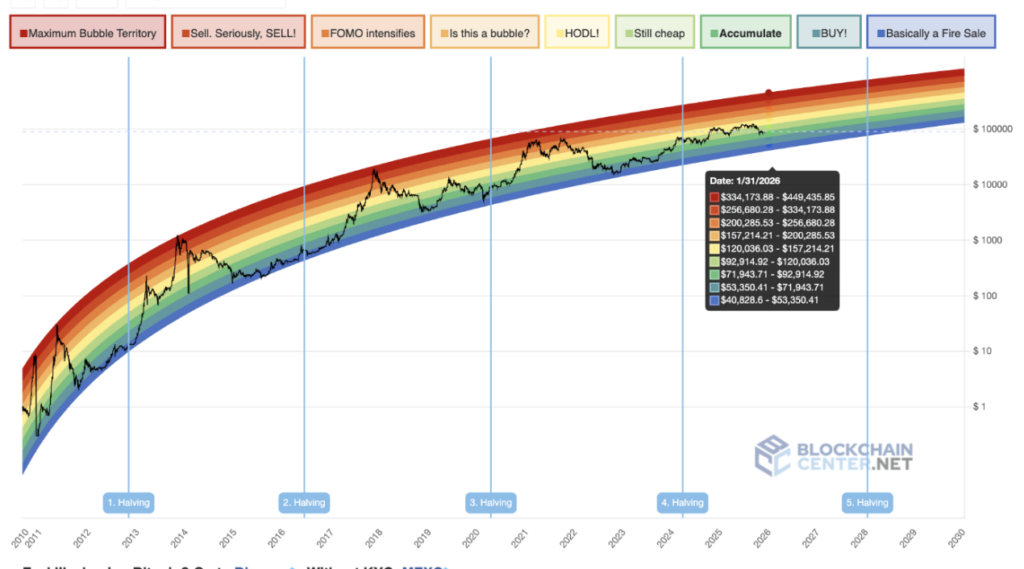
In financial circles, the prevailing view is that assets like gold and Bitcoin benefit from this environment. Gold’s value surged by 60% last year, driven by fears of a depreciating dollar. This trend suggests that diminishing purchasing power typically diverts investors towards assets perceived as stores of value.
“These financial indicators suggest the market is realigning towards assets with intrinsic value,” noted an analyst at Bitfinex.
The confluence of these developments highlights a reshaping of investment strategies with significant shifts observed. Key takeaways include:
- Substantial pressure on U.S. Treasury borrowing due to elevated interest rates.
- Rebalancing interest rate policies might weigh more on government debt servicing than inflation concerns.
- New opportunities for alternative assets like Bitcoin and gold amid the dollar’s weakening purchasing power.
As the fiscal environment transforms, attention shifts towards how these pivotal decisions and conditions will impact broader economic and asset landscapes. These evolving dynamics call for vigilant market strategies and consideration of alternative investments.
Disclaimer: The information contained in this article does not constitute investment advice. Investors should be aware that cryptocurrencies carry high volatility and therefore risk, and should conduct their own research.













 English (US)